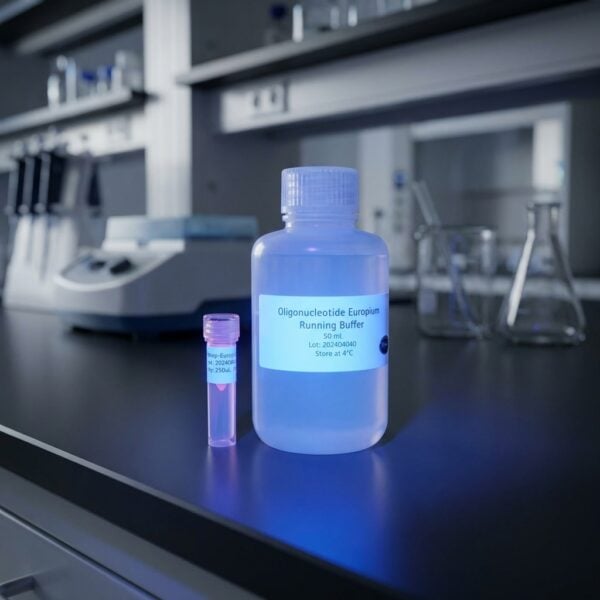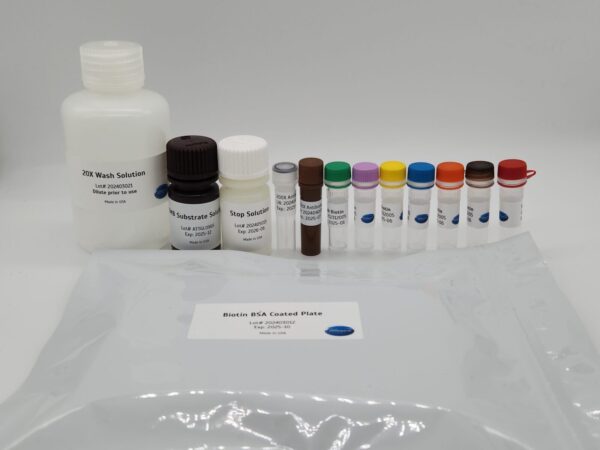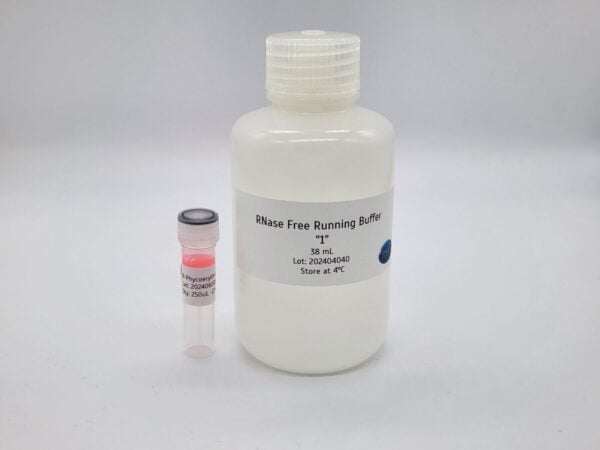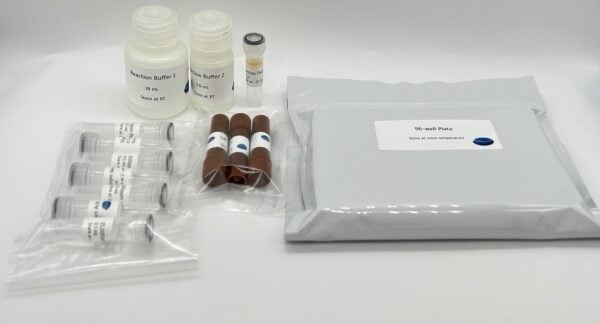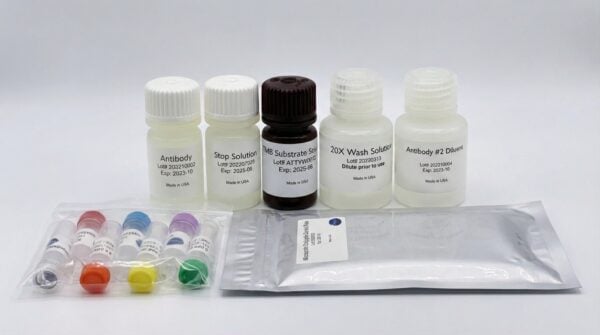


Attogene goat anti-rabbit coated ELISA plates are pre-coated, pre-blocked microplates designed to capture rabbit polyclonal antibodies in a wide range of ELISA and assay procedures. Each well is coated with 300 ng of enhanced goat anti-rabbit antibody and blocked with a BSA blocking solution, so you can skip plate coating and blocking and move straight to assay development.
The plates use a strip-well format with 96 wells per plate and are offered in 5 Pack and 20 Pack sizes (catalog number EL2058). Bind your own rabbit polyclonal capture antibody to the plate, and the goat anti-rabbit layer holds it in place for the rest of your assay.
Key Features
- Pre-coated capture surface: 300 ng per well of enhanced goat anti-rabbit antibody.
- Pre-blocked: Blocked with a BSA blocking solution, so no coating or blocking steps are needed before use.
- High binding capacity: Designed for reliable results in rabbit polyclonal antibody assays.
- Gentle immobilization: Binds rabbit polyclonal antibodies without denaturing protein components.
- Low nonspecific binding: Helps keep background low, supporting assay sensitivity and accuracy.
- Strip-well format: 96 wells per plate, so you can run only the wells a given experiment needs.
- Ready to use: Saves setup time during assay development and routine runs.
Specifications
Each order of goat anti-rabbit coated ELISA plates includes plates with the following characteristics:
- Coating: Enhanced goat anti-rabbit antibody, 300 ng per well
- Blocking: BSA blocking solution
- Format: Strip-well plate, 96 wells per plate
- Intended capture target: Rabbit polyclonal antibodies
- Pack sizes: 5 Pack or 20 Pack
- Catalog number: EL2058
A specification sheet is not currently posted for this product. For storage conditions, shelf life or lot details, contact our team before ordering.
Who It’s For
These plates suit labs that already have a rabbit polyclonal antibody against their target and want a faster route to a working ELISA. Typical users include:
- Assay developers building ELISAs around a rabbit polyclonal capture antibody
- Research labs that want to avoid in-house plate coating and blocking optimization
- Groups comparing several rabbit antibodies on a consistent, pre-blocked capture surface
- Food safety and molecular research teams prototyping new immunoassays
How to Use Goat Anti-Rabbit Coated ELISA Plates in Your Assay
No assay protocol is supplied with this plate, so antibody concentrations, volumes and incubation times should be optimized for your own reagents and sample type. A typical capture workflow looks like this:
- Select strips. Remove the strips you need and set the rest aside in their packaging.
- Capture the rabbit antibody. Add your rabbit polyclonal antibody, diluted in a suitable buffer, and incubate so the goat anti-rabbit coating can bind it.
- Wash. Remove unbound antibody with your standard ELISA wash buffer.
- Add samples and standards. Incubate so the captured rabbit antibody can bind its target, then wash again.
- Detect. Add an enzyme-labeled detection reagent that does not contain rabbit IgG, incubate and wash.
- Develop and read. Add substrate, stop the reaction if your substrate requires it, and read absorbance on a plate reader.
Because the coating binds rabbit antibodies, avoid rabbit-derived detection antibodies or rabbit serum in later steps. These would also be captured by the plate and raise background.
How Anti-Species Capture Plates Work
Goat anti-rabbit antibodies recognize rabbit immunoglobulin. When they are pre-adsorbed to the well surface, they act as a general capture layer: any rabbit antibody added to the well is held in place through an antibody-antibody interaction instead of direct adsorption to bare plastic.
This indirect capture is gentle, which is why the plates bind rabbit polyclonal antibodies without denaturing protein components. It also means one plate type can support many different rabbit antibodies, which is useful when you are developing more than one assay at a time.
If your assay is built around biotinylated reagents, see our streptavidin coated ELISA plates; our biotin (vitamin B7) quantification kits can help confirm biotin labeling first. For labeled nucleic acids, use our anti-FITC coated ELISA plates, anti-DIG coated ELISA plates or the complete Universal Nucleic Acid ELISA Kit. Teams that want to coat their own plates can start with the ELISA development starter kit.
Frequently Asked Questions
What do goat anti-rabbit coated ELISA plates capture?
Goat anti-rabbit coated ELISA plates are designed to bind rabbit polyclonal antibodies. The bound rabbit antibody then serves as the capture layer for your target.
Do I need to coat or block the plates myself?
No. Each well is coated with 300 ng of enhanced goat anti-rabbit antibody and blocked with a BSA blocking solution, so the plates are ready for immediate use.
What plate format is used?
The plates use a strip-well format with 96 wells per plate.
Can I use a rabbit detection antibody?
It is best avoided. A rabbit-derived detection antibody would also bind the goat anti-rabbit coating and increase background. Use a detection reagent from another host species or a labeled reagent that does not contain rabbit IgG.
What pack sizes are available?
Goat anti-rabbit coated ELISA plates (EL2058) are available as a 5 Pack or a 20 Pack.
For research use only. Not for use in diagnostic procedures. Questions? Call 512-333-1330 or email sales@attogene.com.