
The Lead Ion ELISA Kit (EL2068) is a lead ELISA kit that measures lead ions quantitatively in a 96-well microtiter plate, with a limit of detection (LOD) of 2 ppb. The plate comes as 12 test strips of 8 wells, so a run can be as small or as large as your sample load requires. It is one of three heavy metal ELISA kits from Attogene, together with mercury and cadmium.
Lead is a widespread contaminant of drinking water, soil and older paint, and it does not break down in the environment. Lead in tap water often comes from plumbing rather than the water source, which makes testing at the tap important. A plate-based immunoassay lets a lab screen many samples at once and focus confirmatory testing where it is needed.
Key Features
- Quantitative: gives a lead ion concentration for each sample.
- Detection limit: LOD of 2 ppb.
- Strip plate: 96 wells as 12 test strips of 8 wells; run only the strips you need.
- Robust, easy-to-use ELISA: a familiar microplate workflow for routine lab staff.
- High throughput: suited to screening sets of samples, such as multiple taps in a building.
What’s in the Lead ELISA Kit
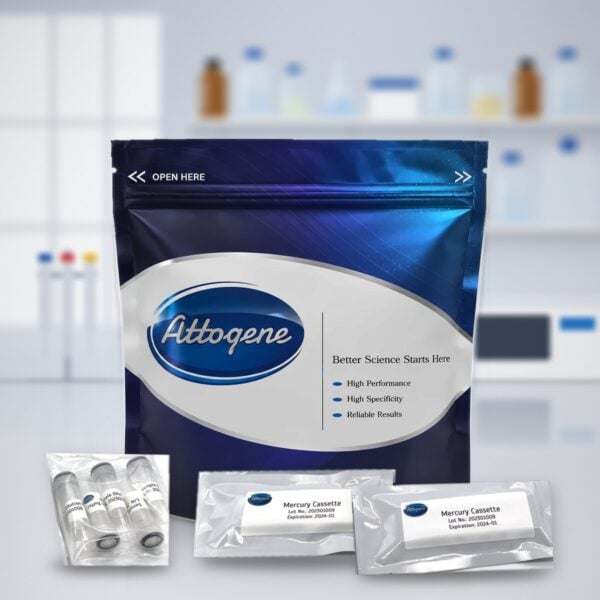
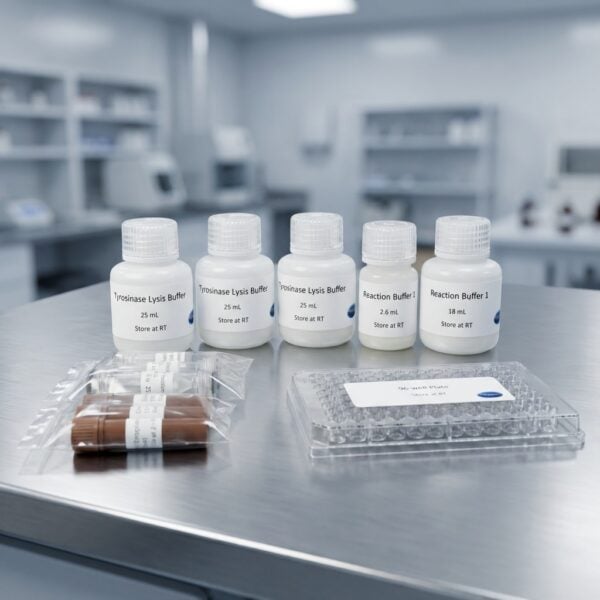
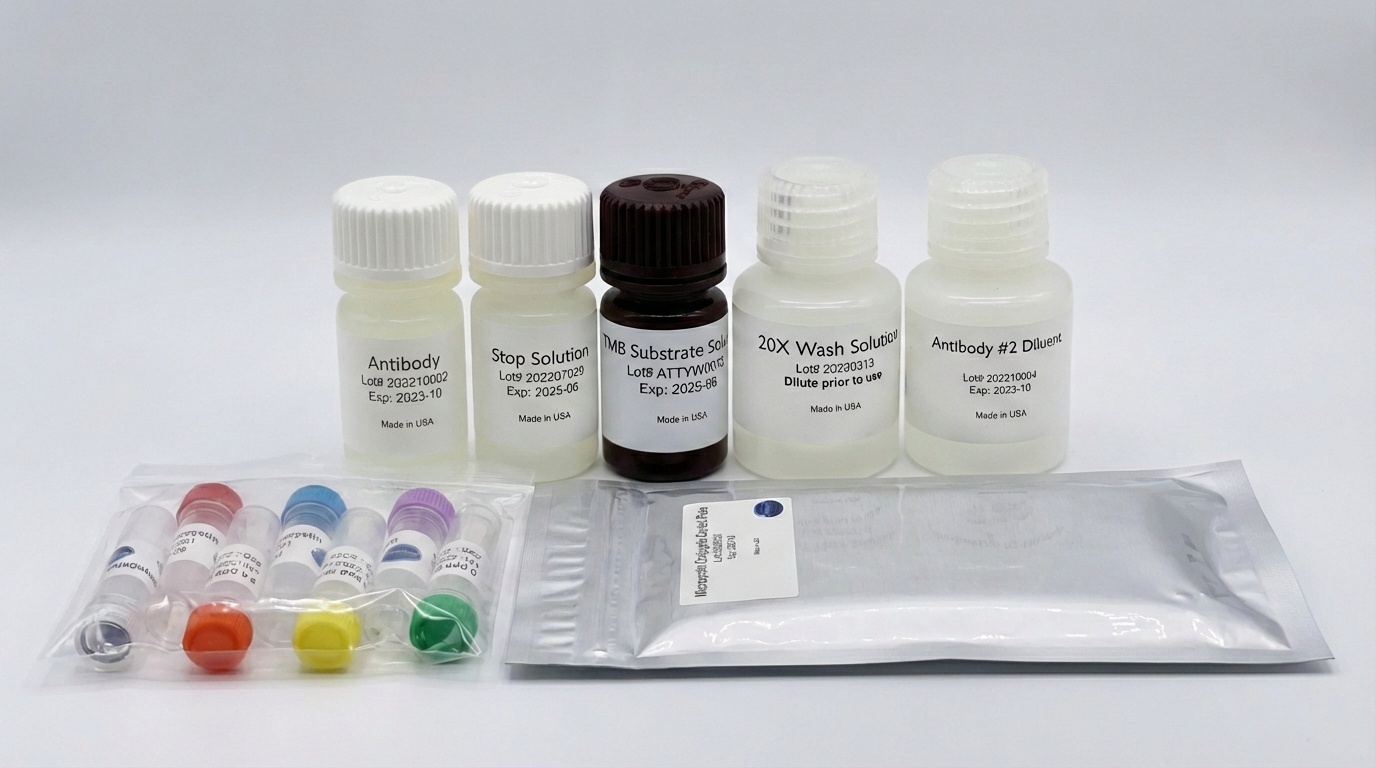
Each lead ELISA kit includes:
- One 96-well microtiter plate, supplied as 12 test strips of 8 wells
The full component list, volumes and storage conditions are given in the kit instructions. Email sales@attogene.com to request them before you order.
You will also need: common ELISA equipment, including precision pipettes and a microplate reader. See the kit instructions for any other materials required but not supplied.
Who It’s For
- Water utilities and environmental labs screening drinking water for lead
- Facility, school and building water-quality programs that sample many taps
- Academic and government researchers studying lead contamination in the environment
- Labs that pre-screen samples before sending selected ones for instrumental analysis
How to Use the Lead ELISA Kit
The assay uses a standard microplate ELISA workflow. Follow the kit instructions for exact volumes, incubation times and temperatures.
- Collect samples and prepare them as the kit instructions specify.
- Take out only the 8-well strips you need and store the rest as directed.
- Pipette the kit standards and samples into the wells.
- Complete each incubation and wash step as written.
- Develop the plate and read absorbance on a microplate reader at the specified wavelength.
- Calculate lead ion concentrations from the standard curve.
A downloadable manual is not yet posted for this kit. Contact sales@attogene.com for the current instructions for use.
Sampling Drinking Water for Lead
How you collect a water sample affects the lead result. Common practice starts with a first-draw sample, the first water from a tap after it has sat unused in the plumbing. If that result is elevated, flushed or sequential samples from the same tap help show whether lead is coming from the fixture, the internal plumbing or a lead service line. The EPA lead regulations page links to current federal sampling requirements.
Regulatory Context and Confirmation
Reference values often cited for lead include the EPA action level of 15 ppb for drinking water and the FDA limit of 5 ppb for bottled water. The kit’s 2 ppb LOD is below both. Limits are revised over time, so check current regulations for your application. Samples requiring regulatory action should be confirmed with a reference laboratory method, such as ICP-MS.
Lead ELISA or Rapid Lead Test?
For quick checks, Attogene offers lateral flow tests in two formats: the Lead Detection Kit (Rapid – Field Use) for on-site testing and the Lead Detection Kit (Rapid – Lab) for the bench. The ELISA is the better fit when you need numeric results for a batch of samples. For multi-metal screening, pair it with the Mercury Ion ELISA Kit (EL2067) or the Cadmium Ion ELISA Kit (EL2069), which share the same strip-plate format.
Frequently Asked Questions
What is the detection limit of the lead ELISA kit?
The LOD is 2 ppb.
Does the lead ELISA kit give quantitative results?
Yes. Each sample is quantified against the standard curve run on the plate.
Do I have to use the whole plate at once?
No. The plate is divided into 12 strips of 8 wells, so you can run only the strips a batch requires. The kit instructions explain how many wells to allow for standards and replicates.
Can I test samples other than drinking water?
Possibly. Sample preparation depends on the matrix, so contact us to discuss soil, food or other sample types before ordering.
Are results accepted for compliance reporting?
The kit is a screening tool. Samples requiring regulatory action should be confirmed by a reference laboratory method.
For research use only. Not for use in diagnostic procedures. Questions? Call 512-333-1330 or email sales@attogene.com.