



Aflatoxins belong to the strongest mycotoxins, which act primarily in a hepatotoxic and carcinogenic way. The four main aflatoxins show a different toxicity. B1 is without doubt the most toxic aflatoxin, followed by G1, B2 and G2. Aflatoxin B1, however, does not show a direct toxic action. In the process of biotransformation in the liver, the lipophilic toxin is epoxidated and transformed into an active derivative, the so-called aflatoxin B1-2,3-epoxid. This highly reactive epoxid is able to react with nucleophilic regions of macromolecules. Amongst other this metabolite of aflatoxin B1 binds covalently to the N-7 atom of the guanine bases of DNA. This covalent bond causes an inhibition of the DNA replication, the RNA synthesis and mutations.
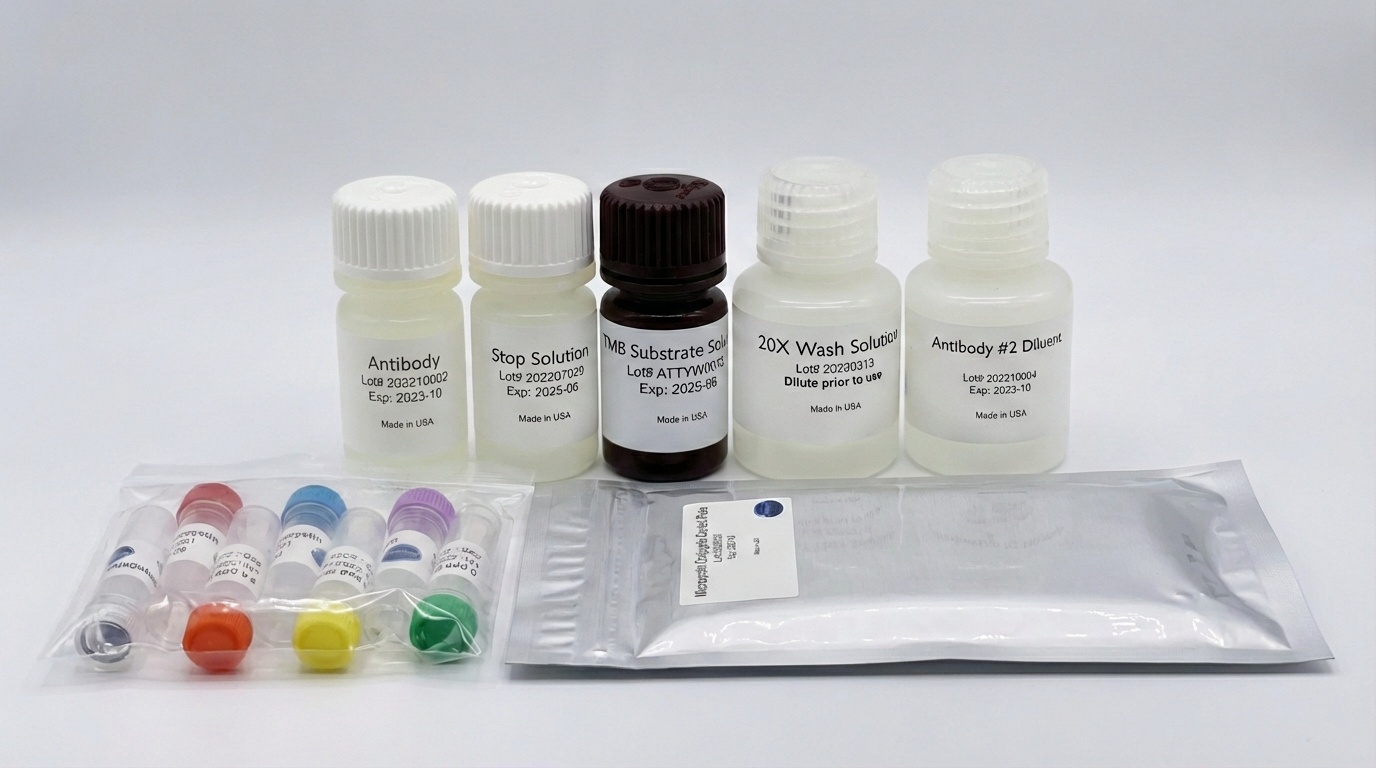
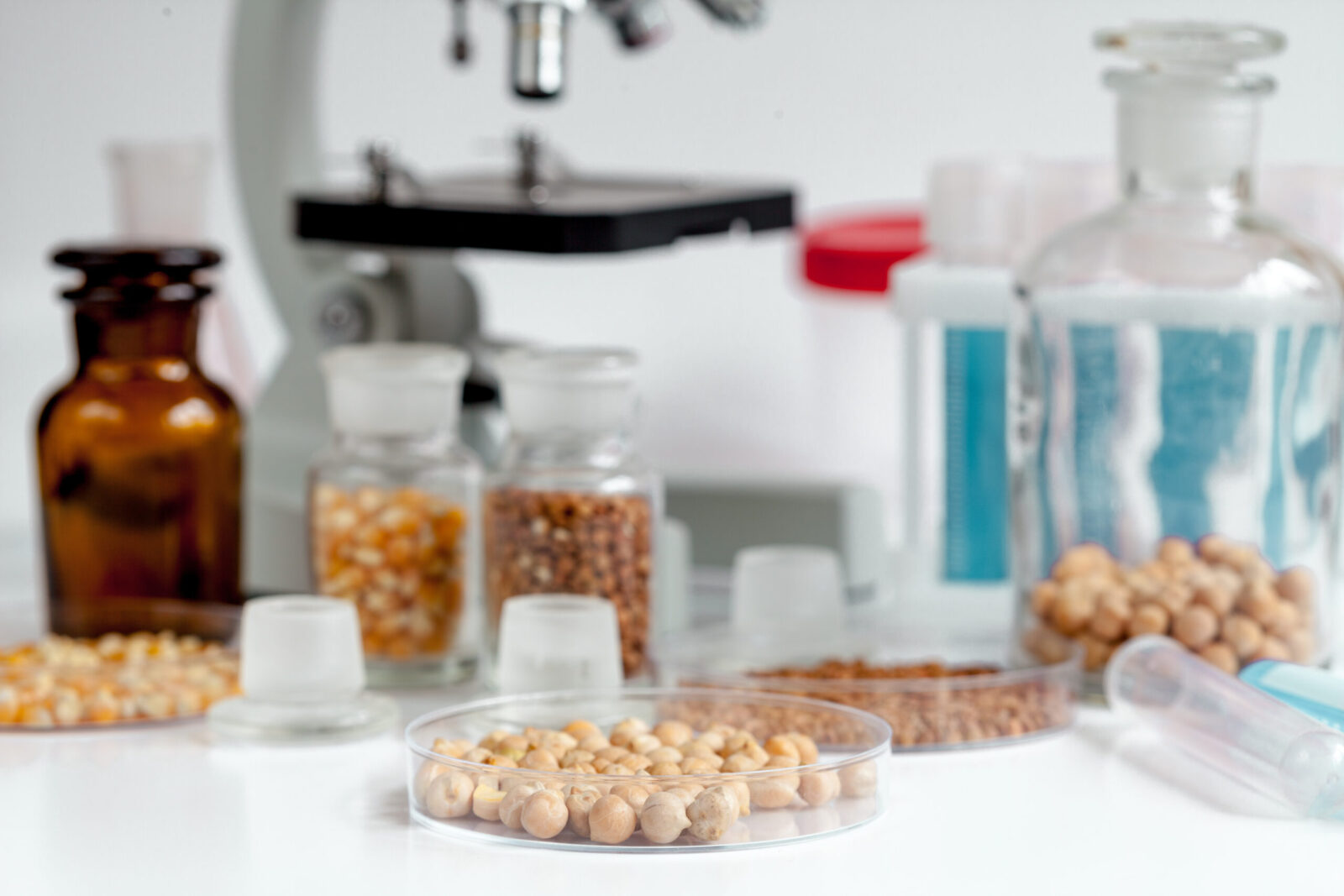
The most toxic of aflatoxin is aflatoxin B1, which almost always coexists with aflatoxin B2, G1, and G2. They are found mainly in corn, brazil nuts, cottonseeds and pistachios. The US food and drug administration (FDA) has established limit standard of aflatoxin in food and feed, thus accurate determination of aflatoxin levels is important for quality control of food and feed. This kit is a highly sensitive rapid detection product, which can quickly and quantitatively detect aflatoxin B1 contained in cereals, vegetable oils and feed.


