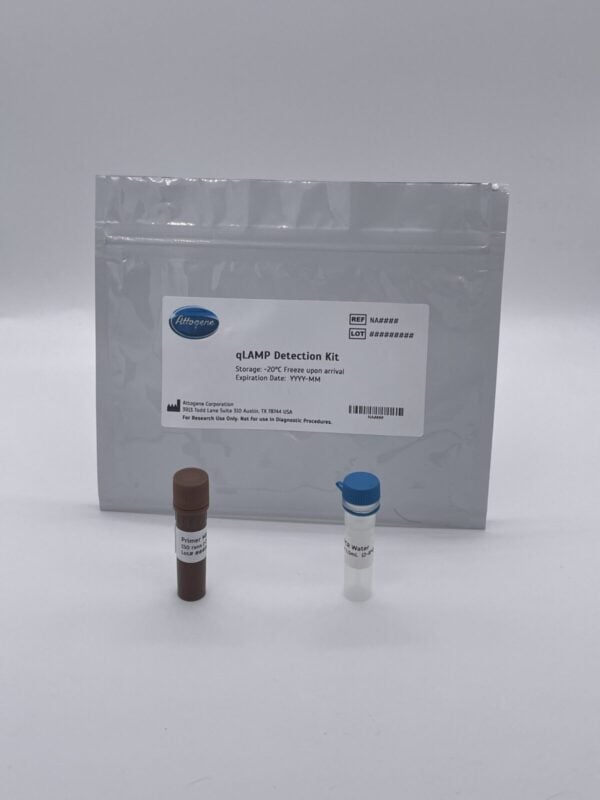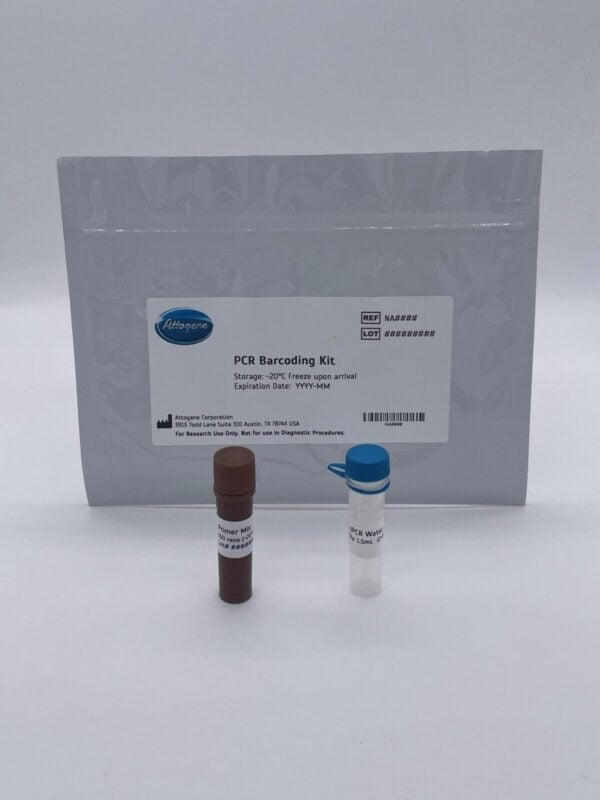


The Universal 23S PCR Amplification Kit (NA2028) is a DNA barcoding kit for identifying cyanobacteria and other bacteria in environmental samples such as water, wastewater and algal cultures. Universal primers amplify an 874 bp fragment of the 23S rRNA gene, an effective size for species identification by Nanopore sequencing. Each kit provides primers for 150 reactions.
The 23S rRNA is a 2,904-nucleotide component of the large (50S) subunit of the bacterial and archaeal ribosome. Compared with 16S rRNA genes, 23S rRNA genes carry more sequence variation from unique insertions, deletions and length differences, which can help resolve closely related strains in phylogenetic studies of bacterial diversity.
Key Features
- Sequencing-ready amplicon: an 874 bp 23S rRNA fragment sized for Nanopore species identification.
- More resolution than 16S: 23S variation helps tell closely related strains apart.
- Tested on a reference strain: sequencing of Microcystis aeruginosa UTEX 2388 amplicons matched reference 23S sequences at up to 99.76%.
- 150 reactions per kit: enough primer for surveys across many sites and time points.
- Pairs with 16S: run alongside the Universal 16S kit for two independent markers.
- Made in the USA: fast shipping and free technical support from Attogene scientists.
What’s in the Kit
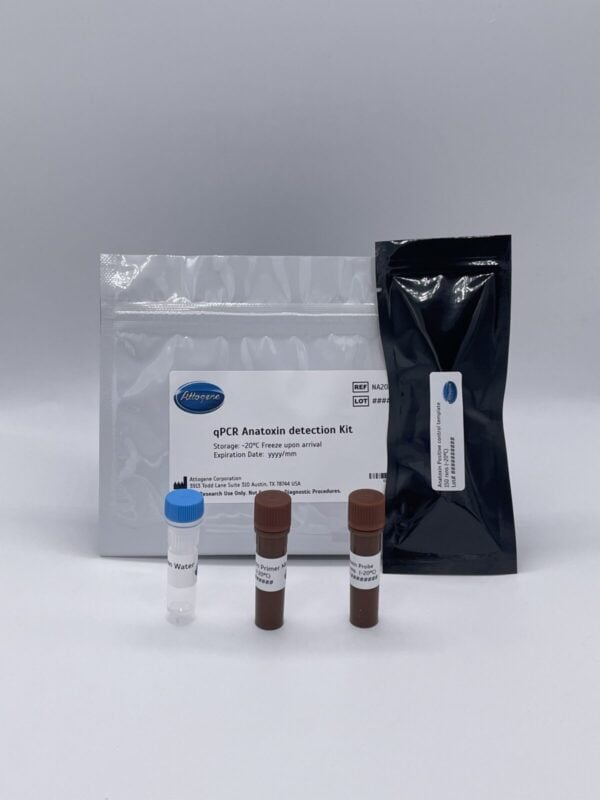
- 150 µL universal 23S rRNA primer mix (10 µM)
- 1 mL PCR clean water
Also needed (not included): a 2X PCR/qPCR master mix with Taq polymerase, a thermal cycler or real-time PCR instrument, a DNA extraction method such as the Plant and Algae DNA Isolation Kit, and sequencing access (for example, Nanopore).
Who It’s For
- Water utilities and lake managers identifying bloom-forming cyanobacteria
- Environmental and eDNA labs characterizing microbial communities
- Algal culture collections and researchers confirming strain identity
- Microbial ecology and phylogenetics researchers
How to Use the Universal 23S PCR Amplification Kit
- Extract DNA: wash the algae or water sample and isolate clean genomic DNA.
- Assemble reactions: combine 2X master mix, primer mix, PCR clean water and template DNA as described in the instruction manual.
- Add controls: include a negative extraction control and a no-template control.
- Amplify: run the cycling program in the manual.
- Check and purify: confirm a single band of about 874 bp on an agarose gel, then purify the product.
- Sequence and identify: sequence the amplicon and compare it with reference databases such as NCBI GenBank (BLAST).
How It Works
The universal primers bind conserved stretches of the 23S rRNA gene and Taq polymerase amplifies the variable region between them. Sequencing that region gives a genetic barcode, and the closest database matches identify the organism. Mixed samples produce mixed products, so long-read sequencing such as Nanopore can identify several organisms from a single environmental sample.
Protocol at a Glance
- Reaction volume: 20 µL: 10 µL 2X master mix, 8 µL PCR clean water, 1 µL primer mix and 1 µL template DNA.
- Cycling: 94 °C for 2 minutes, then 35 cycles of 94 °C for 20 seconds, 50 °C for 30 seconds and 74 °C for 45 seconds.
- Real-time monitoring (optional): with a dye-based master mix, amplification can be read in the FAM/SYBR channel during the 50 °C step.
- Storage: -20 °C for up to 12 months. Minimize freeze-thaw cycles.
Validation Data
Amplicons from Microcystis aeruginosa UTEX 2388 were gel purified and sequenced on a Nanopore MinION. Results:
- 99.76% match: Microcystis aeruginosa NIES-933 gene for 23S rRNA, partial sequence
- 99.51% match: Microcystis aeruginosa UTEX LB 2388 23S ribosomal RNA gene, partial sequence
Sequence obtained with the primer set used in this kit:
ATTTTTTTGTCCTCTACTGGTTCGGTGCTATGTAAAACGGGTGTTTAACCGTTTTCGCATTTATCGTGAAACGCTTTCGCGTTTTTCGTGCGCCGCTTCAAGCACTGTTTCGTAACTTCGGGAGAAGGAGTAGGGGTAAAGCACTGTTTCGCCGCGGGCTGGGAGACCGGTACCAAGGCGAGGCAAACTCTGAATACGGCTAAAAAAACTACCAGTGAGACGGTGGGGGATAAGCTTCATCGTCAAGAGGGAAACAGCCCAGACCACCAGCTAAGGTCCCCAAATGATAACTAAGTGAGAAAGGAGGTGGGAGTGCATTGACAACCAGGAGGTTTGCCTAGAAGCAGCAACCCTTAAAAGAGTGCGTAATAGCTCACTGGTCAAGCGCTCCTGCGCCGAAAATGAACGGGGCTAAGTTATCTACCGAAGCTGTGGACTACATTGTAGTGGTAGGGGAGCGTTCTATAGGGGGTGAAGCAGTAGCGGCAAGCAGCTGTGGACTCTATAGAAGTGAGAATGTCGGCTTAAGTAGCGAAAATGTGGGTGAGAATCCCACACCCCGAAACCCCAAGGTTTCCTCCCGCAAGGCTCGTCCGCGGAGGGTCAGTCAGGACCTAAGGCGAGGCTGAAAAGCGTAGTCGATGGACAACGGGTTAACATTCCCGTACCGATTAATGATTGTGCCGGAGAACGGAGAAGGTCAACGTCAGCTGGATGTTGGTTACCAGTGCAAGCAGTCGAGGCGATGAGAGGTGGCGAAAACACCAGGAGCTAAGACGCGAGTCCCACCTCCCACGGGAGGGAAGTGGCGTTGATCAAGCTTCCTAGAAAAGCCCGAACCACGTTAATCATTAATTGCCTGTACCCGAAACCGACACAGGTGGGGAAGTAGAGAATACTAAGGGGCGCGAGATAACTCTCTCTAAGGAACTCGGCAAAATGACCCCGTAACTG
Complete Your Cyanobacteria Workflow
- Plant and Algae DNA Isolation Kit: clean genomic DNA from algae and water samples
- Universal 16S PCR Amplification Kit (NA2029): a second barcoding marker for cyanobacteria
- Microcystin qPCR Detection Kit, Anatoxin qPCR Detection Kit and Cylindrospermopsin qPCR Detection Kit: check whether the cyanobacteria present carry toxin genes
- FAM and Biotin End-Labeled 23S Amplicon Control DNA (NA2032): this kit’s 874 bp amplicon, labeled for lateral flow
Frequently Asked Questions
What size is the PCR product?
About 874 bp, a good length for Nanopore sequencing.
Is a master mix included?
No. Use a 2X master mix containing Taq polymerase.
Should I use the 16S or 23S kit?
16S is the most widely used marker and has the largest reference databases. 23S carries more variation, which helps separate closely related strains. Many labs run both.
Can I use Sanger sequencing?
Sanger works well for pure cultures. For mixed environmental samples, long-read sequencing such as Nanopore can resolve several organisms at once.
Does a match tell me whether the bloom is toxic?
No. Barcoding identifies the organism. Use a toxin gene qPCR kit or a toxin ELISA to check toxin potential or toxin levels.
Can Attogene build a custom assay?
Yes. Attogene offers custom assay development, including PCR, qPCR and lateral flow formats.
Full instructions are in the 23S barcoding kit instructions (PDF).
For research use only. Not for use in diagnostic procedures. Questions? Call 512-333-1330 or email sales@attogene.com.